
Safely Navigating Sierra Vista’s Multi Use Paths
- Posted on
- By Sun & Spokes staff
- 0
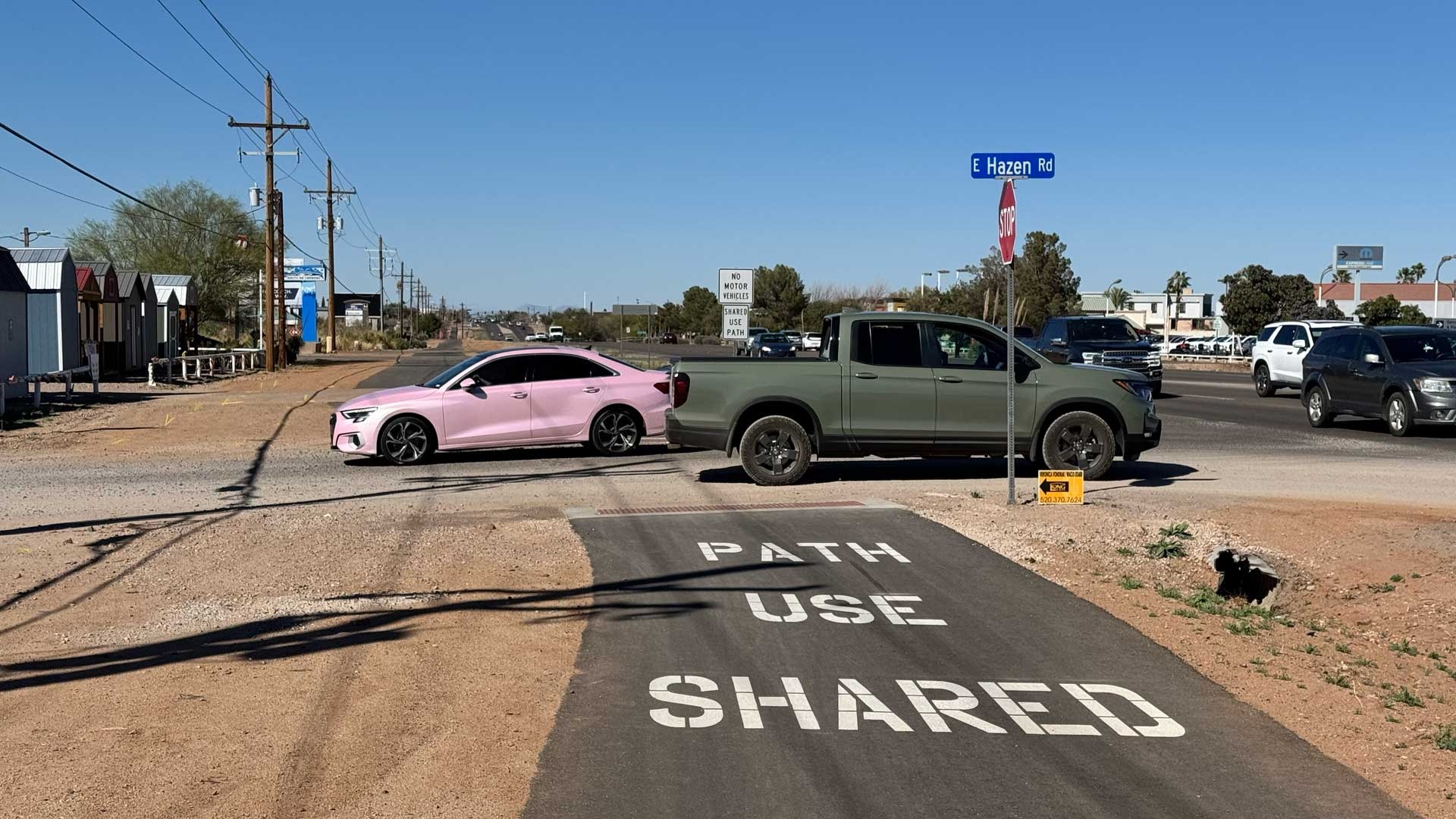
Safety on multi-use paths is a shared responsibility. Is that enough to keep you safe?
Having the right of way won't reduce the pain of broken bones
I witnessed a cyclist being struck by a car today. He had just passed me heading north on Highway 92, just south of St. Andrews Drive, riding along the multi-use path. As he crossed St. Andrews, a driver turning right onto 92 southbound hit him.
The driver had been so focused on looking north for an opening in traffic that she never took a quick glance to her right to see the cyclist approaching from the path. She stopped quickly—but not before knocking him to the ground. Thankfully, he was able to get up after about a minute. He appeared to be mostly okay, shaken and scraped up. The driver was visibly shaken too, apologetic and upset.
It could have been much worse.
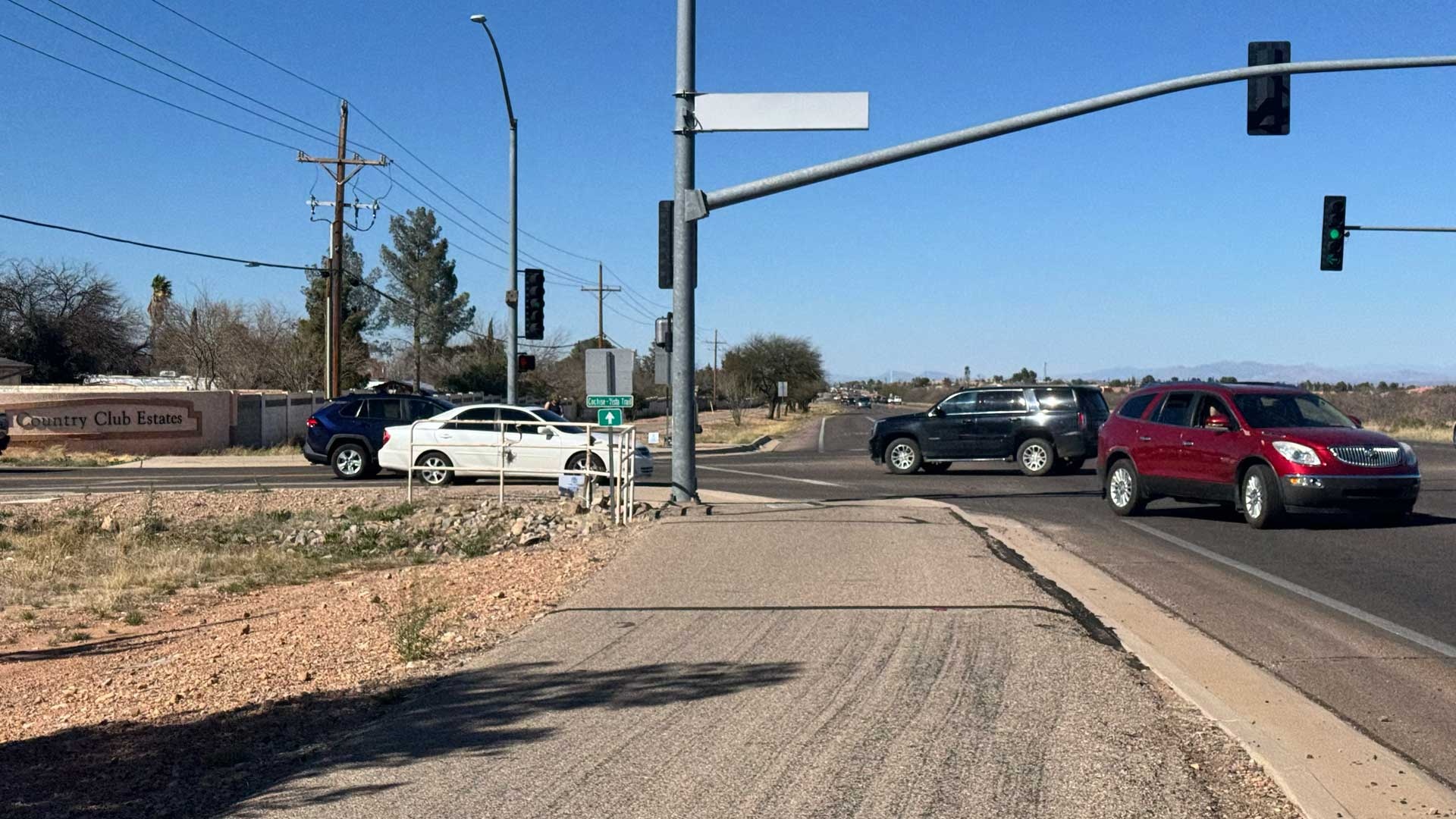
There's a lot going on here.
Incidents like this are sobering reminders that while Sierra Vista’s multi-use paths are designed to give cyclists and pedestrians a greater sense of safety, they are not risk-free. In fact, intersections and driveways can be some of the most dangerous places on an otherwise protected path.
With the newest section of multi-use path from Avenida Cochise to Foothills Drive now open, riders and walkers are enjoying improved connectivity across town. But that stretch also crosses multiple driveways that access local businesses. Every one of those crossings is a potential conflict point between vehicles and path users.
The Most Dangerous Scenario
The incident I witnessed today represents one of the most common and dangerous situations: a driver focused entirely on traffic coming from one direction.
When a motorist is waiting to turn right onto a busy road, their attention is usually fixed to the left. They’re scanning for a break in traffic. Watching. Waiting. Timing their move. In that intense focus, it’s easy to forget that danger can come from the other direction—especially from a cyclist or pedestrian approaching on a path that runs parallel to the road.
The same danger exists when a driver is turning left into an intersection or driveway you’re about to cross. Their eyes are on oncoming cars, looking for an opening. They’re judging speed and distance. Often, they never see the person in the crosswalk or the cyclist rolling through the crossing.
In both cases, the driver may not be reckless or malicious. They’re simply overloaded and focused on one task. But for the person on the path, the consequences can be severe.
Multi-use paths can create a false sense of security. When you’re separated from traffic by a curb or buffer, it feels safer than riding in a bike lane. But every intersection resets the risk. Every driveway is a moment where two worlds collide.
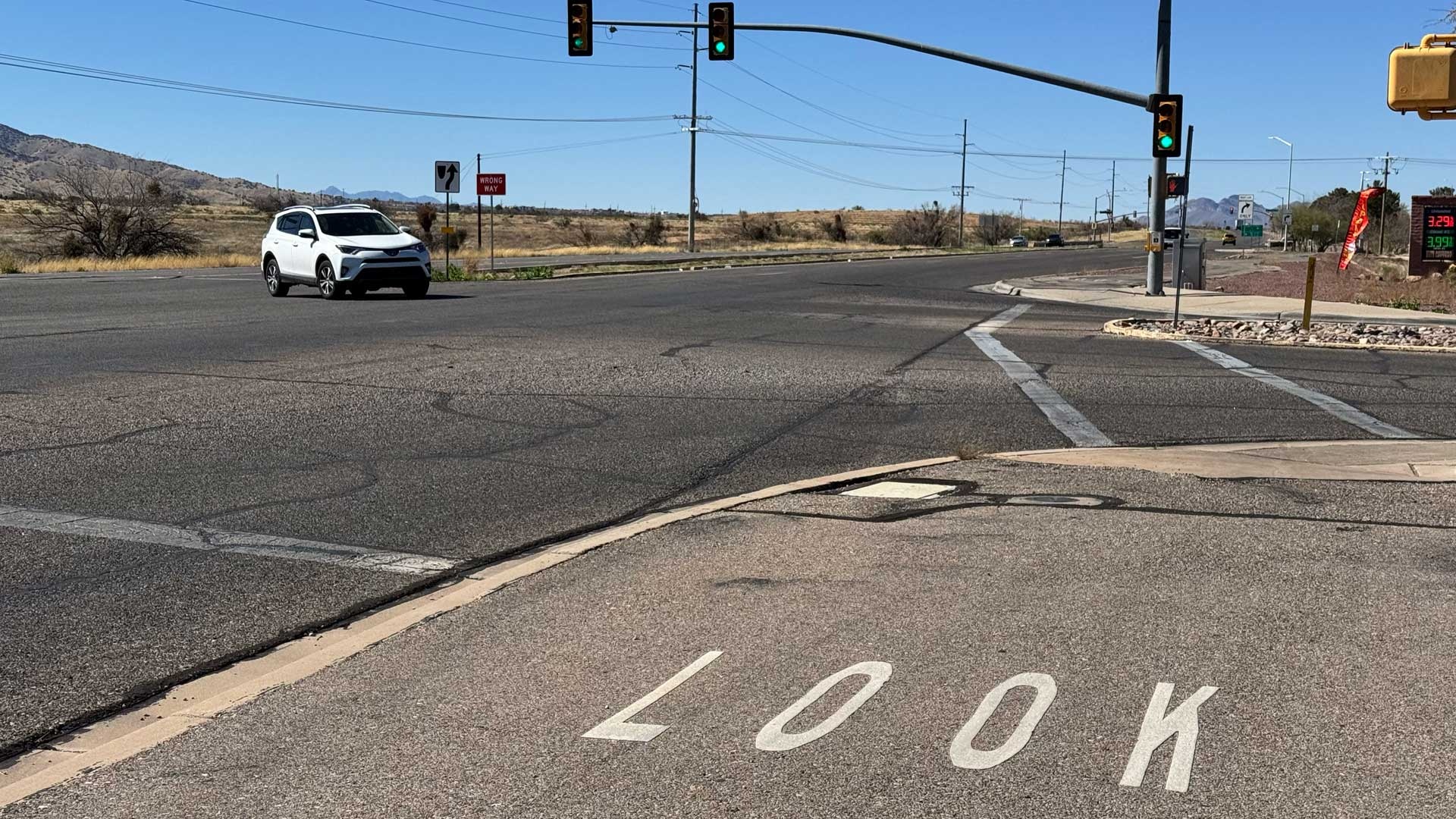
Maybe they see you, maybe they dont
What Cyclists Should Do to Stay Safe
**Assume You’re Invisible**
Your number one rule should always be this: assume you’re invisible.
It doesn’t matter if you have the right of way. It doesn’t matter if you’re in a marked crossing. It doesn’t matter if the law is on your side. If you get hit, being “right” won’t reduce the pain of broken bones while you’re lying on the pavement waiting for an ambulance.
Even eye contact isn’t foolproof. I’ve personally made eye contact with drivers only to realize they were actually looking right past me, scanning for cars. Moments later, they pulled out anyway.
So what does “assume you’re invisible” look like in practice?
* Slow down at every intersection and driveway.
* Cover your brakes and be ready to stop.
* Make yourself visible—bright clothing, lights even during the day, and reflective gear help.
* Avoid riding in drivers’ blind spots when possible.
* Never assume a turning vehicle will yield, even if they legally should.
It’s not about riding in fear. It’s about riding with awareness.
What Drivers Should Do
**Look Both Ways—Every Time**
Drivers play an equally important role in keeping Sierra Vista’s paths safe.
When approaching a multi-use path crossing, treat it like any other intersection. Before pulling out or turning:
* Look left for traffic.
* Look right for cyclists and pedestrians.
* Then look left again.
That extra half-second glance to the right can prevent a crash.
When you’re waiting for an opening in traffic, build the habit of scanning both directions periodically. Path users often move faster than pedestrians in a traditional crosswalk, especially cyclists. They can arrive at a crossing sooner than you expect.
Also remember that multi-use paths aren’t just recreational spaces. Many people use them for commuting, running errands, or getting to school. They are transportation corridors.
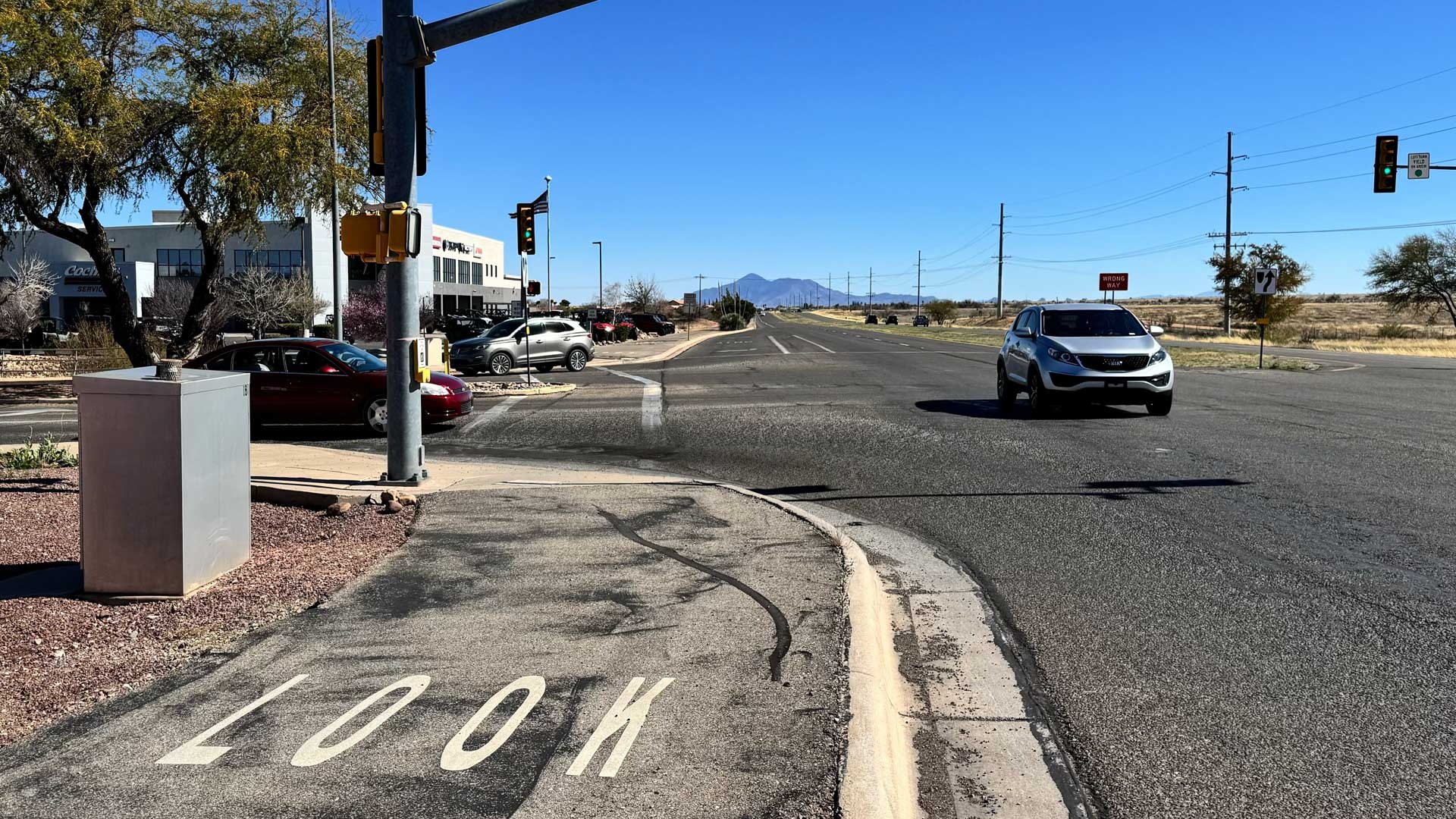
Be patient-don't worry about the right of way, those cars will win every time
Shared Responsibility
Safety on multi-use paths is a shared responsibility. Infrastructure helps—but awareness saves lives.
As Sierra Vista continues expanding its path network, including the stretch between Avenida Cochise and Foothills Drive, we all need to adjust our habits. The design encourages connectivity and healthy living. But the human element—attention, patience, and mutual respect—makes it work.
The cyclist I saw today was lucky. Scrapes and bruises heal. The outcome could easily have involved a trip to the hospital—or worse.
So whether you’re behind the wheel or on two wheels, remember: every intersection is a potential conflict point. Slow down. Look twice. Assume the other person doesn’t see you.
Because out there on our beautiful multi-use paths, it really can feel like a jungle.
And the best survival skill we have is awareness.
Comments
Be the first to comment...