
Choosing a Gravel Bike for Southern Arizona
- Posted on
- By Mike Lewis for Sun & Spokes
- Posted in Adventure Cycling, Bike Reviews, Gravel Bikes, Gravel vs Mountain Bike, Hardpack Trails, Mountain Bikes, Off-Road Cycling, Trail Riding
- 0
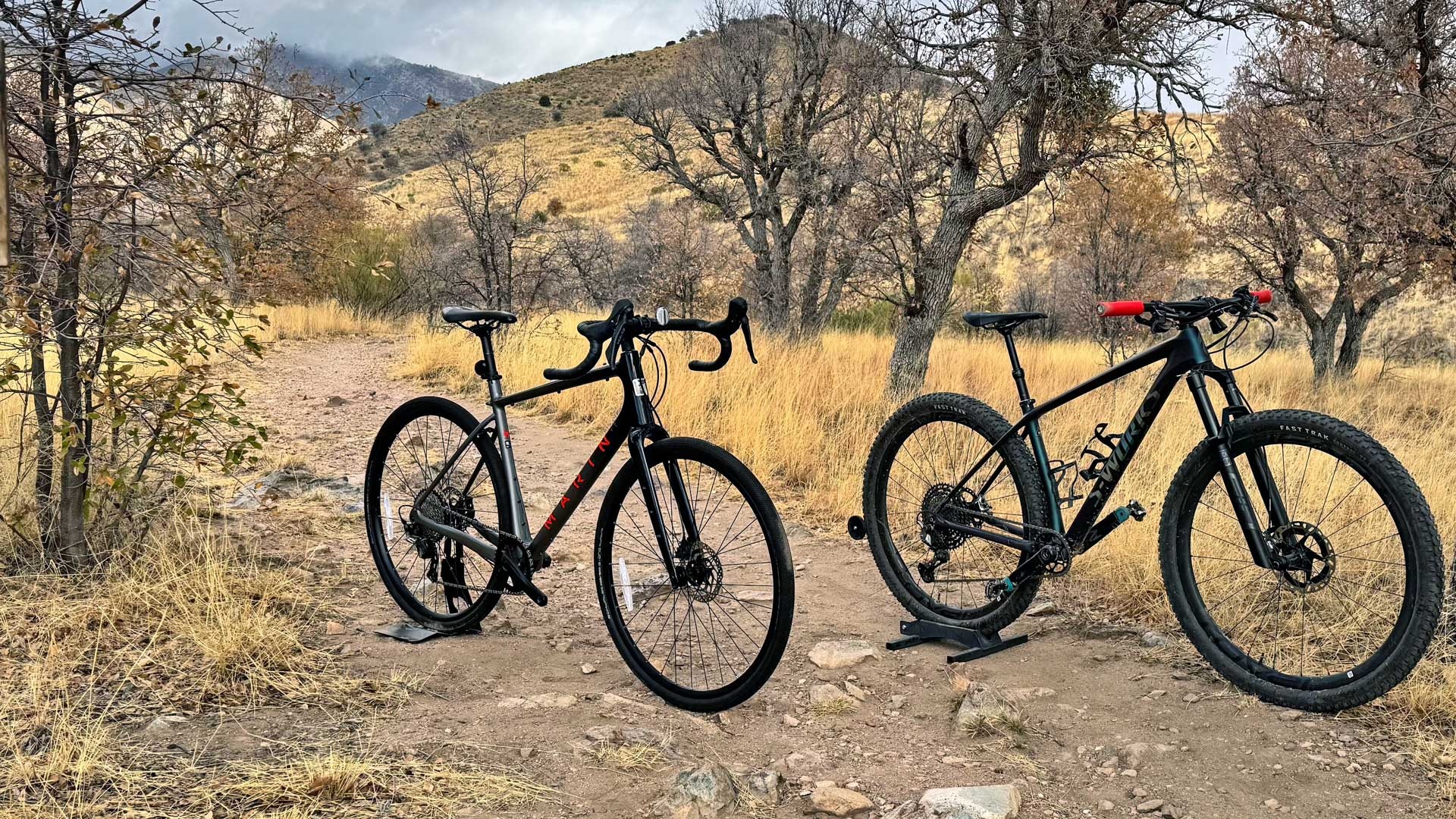
Gravel vs. Mountain Bikes: Which Rules the Hardpack Terrain of Southern Arizona?
The Right Bike Might Not Be What You Think.
There’s no denying the fast growing popularity of gravel riding. It’s a great way to explore new areas not traveled on your previous rides. Roadies like to get out of traffic and get some dirt under their tires. Mountain bikers often find it a good winter option for avoiding snow or mud on their regular trails or just getting a long endurance ride in.
When it comes to tackling the rugged, sunbaked trails of Southern Arizona, the bike you choose can make or break your ride. With a landscape dominated by desert hardpack, rocky outcrops, and washboard roads, both gravel bikes and mountain bikes have their loyalists - but which truly thrives in this unforgiving environment?
We break down the key differences between gravel bikes and mountain bikes and weigh the pros and cons of each when faced with the unique challenges of Arizona’s high-desert hardpack terrain.
Gravel Bikes
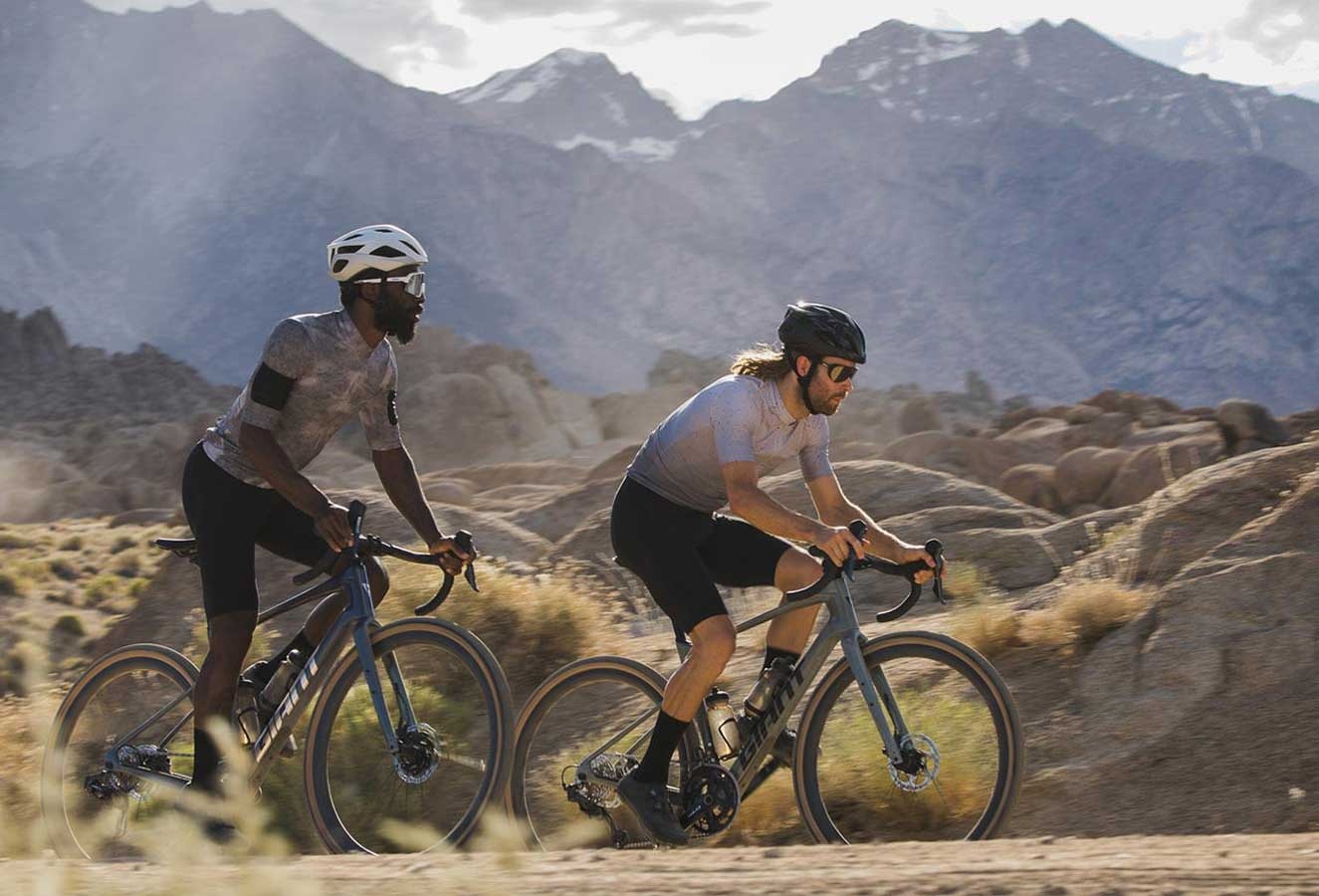
Giant Revolt Gravel Bikes - $1350 - $7500
Gravel bikes are the lovechild of road and cyclocross bikes. Built for speed and efficiency on mixed surfaces, they feature drop handlebars, relatively lightweight frames, and wider tires than road bikes (typically 38–50mm). Their geometry favors long-distance comfort and fast cruising on unpaved roads and light trails.
Mountain Bikes
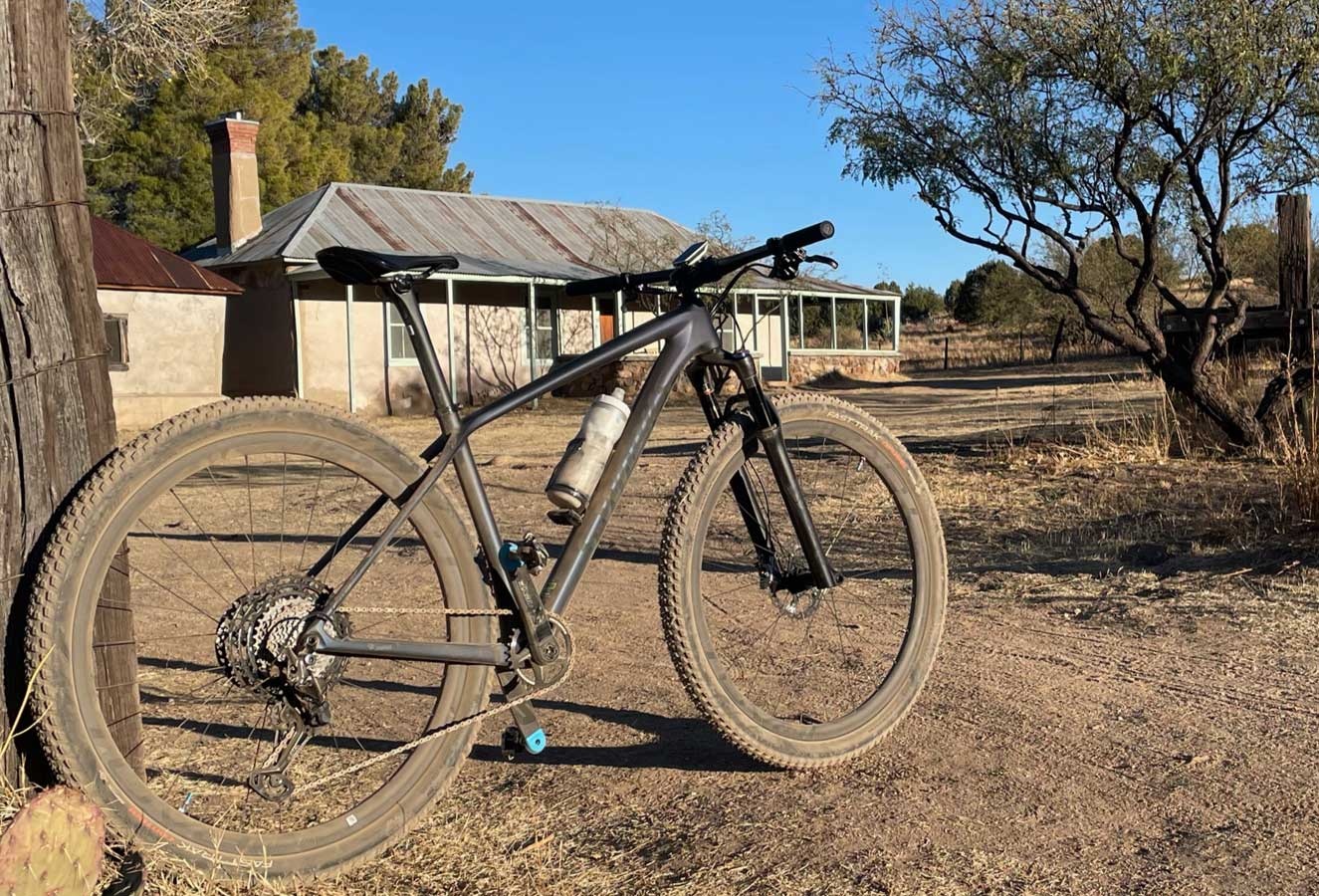
Specialized Epic Hardtail - $3000 -$3500
Mountain bikes are built for control, durability, and traction. With flat handlebars, suspension systems (front or full), and wide, knobby tires (usually 2.1” and up), these bikes are designed to handle technical terrain, big descents, and gnarly rock gardens without breaking a sweat. Hardtail and short travel cross country full suspension bikes will offer the best efficiency for gravel riding.
Southern Arizona Terrain: A Test of Versatility
Southern Arizona offers a distinct type of riding—miles of hard-packed dirt with intermittent sand traps, loose gravel, and jagged rocks. This isn’t the alpine singletrack of Colorado or the loamy forest paths of the Pacific Northwest. It’s wide-open, sun-scorched, and punishing terrain that can make for a long day on a rigid, non suspension bike.
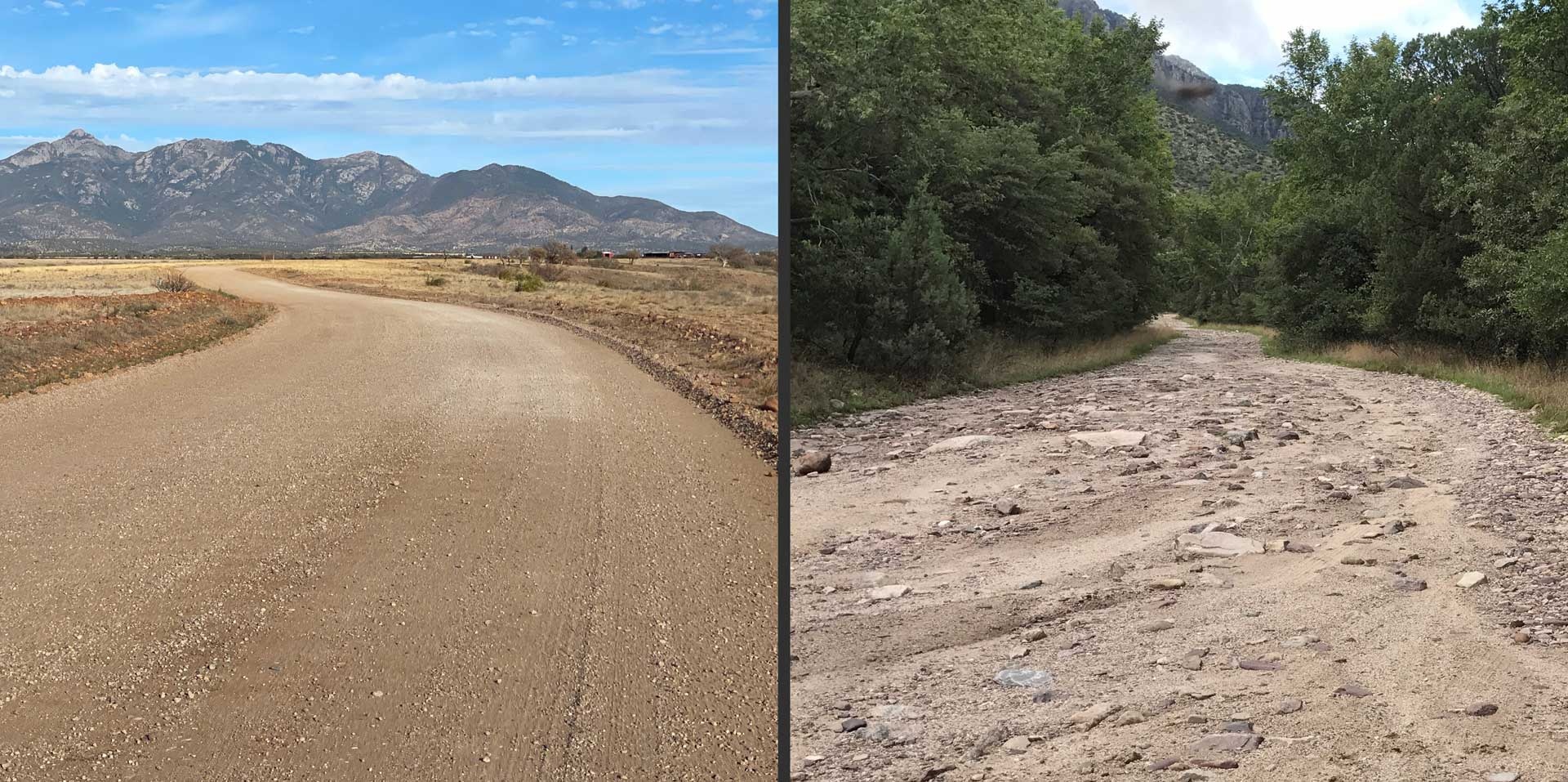
A tale of two roads | left - a gravel rider's dream surface | right - what you're more likely to encounter
So how do these two types of bikes stack up here?
Gravel Bikes on Arizona Hardpack - Advantages
- Speed and Efficiency
On smoother sections of hardpack or washboard roads, gravel bikes fly. Their aerodynamic positioning and light weight feel let you cover ground quickly, especially over long distances. - Endurance Friendly
Designed with comfort over time in mind, gravel bikes shine on all-day rides across rolling terrain. Multiple hand positions reduce fatigue on longer rides
Versatility - Many gravel bikes come with mounting points for bags, water, and gear—great for bikepacking or desert exploration.
Gravel Bikes on Arizona Hardpack - Disadvantages
- Limited or no suspension
Most gravel bikes lack any kind of suspension, which means that even though they handle washboards and chatter decently, rocky or technical sections can be punishing on your body—and your bike. - Traction Trouble
On looser gravel or soft sand patches, narrow tires and drop-bar handling can struggle. Tire slippage and loss of control can quickly become an issue.
Gearing - While gearing can be changed, gravel bikes typically come with higher gearing than a mountain bike.
Mountain Bikes on Arizona Hardpack - Advantages
- Unbeatable Control
With wide bars, powerful brakes, and aggressive tires, mountain bikes offer better handling on loose corners, technical rock features, and sandy washes. - Suspension Comfort and Control
Front (and often rear) suspension helps absorb chatter and impact from rocks and ruts, making for a smoother ride on rough trails. The suspension helps keep your tires planted. - Tires
Speaking of tires, they're your first level of suspension. The larger tires offer more air volume allowing for lower tire pressures that help with both road vibrations and traction. - Confidence on Technical Terrain
Steep descents, sharp turns, and unexpected obstacles are handled with ease.
Mountain Bikes on Arizona Hardpack - Disadvantages
- Slower on Smooth Terrain
The same features that make mountain bikes great on chunky singletrack—suspension squish, aggressive geometry, and weight—can make them sluggish and inefficient on long, flat stretches of hardpack. A suspension with lockout will resolve the squishy issue. - Overkill for Simpler Routes
On smooth dirt roads or non-technical trails, mountain bikes can feel like too much bike—not as responsive or efficient as a gravel setup. - Negate the Disadvantages Above
Frankly that's what this article is about. Our Southern Arizona terrain is rarely going to put you on smooth dirt roads and the likelihood you'll find yourself in chunky hardpack increases with every mile of your ride.
Which One is Right For You?
- Choose a Gravel Bike if
You're a roadie who occasionally wants to roam some easy dirt roads and you like the drop bars. Beware that even the easiest dirt roads will likely include some soft, sandy patches that the smaller tires will struggle in. - Choose a Mountain Bike if
You want a bike that’s ready for anything the desert throws your way—even if it’s gnarlier than expected. Already have a cross country mountain bike? Well you're ready to go.
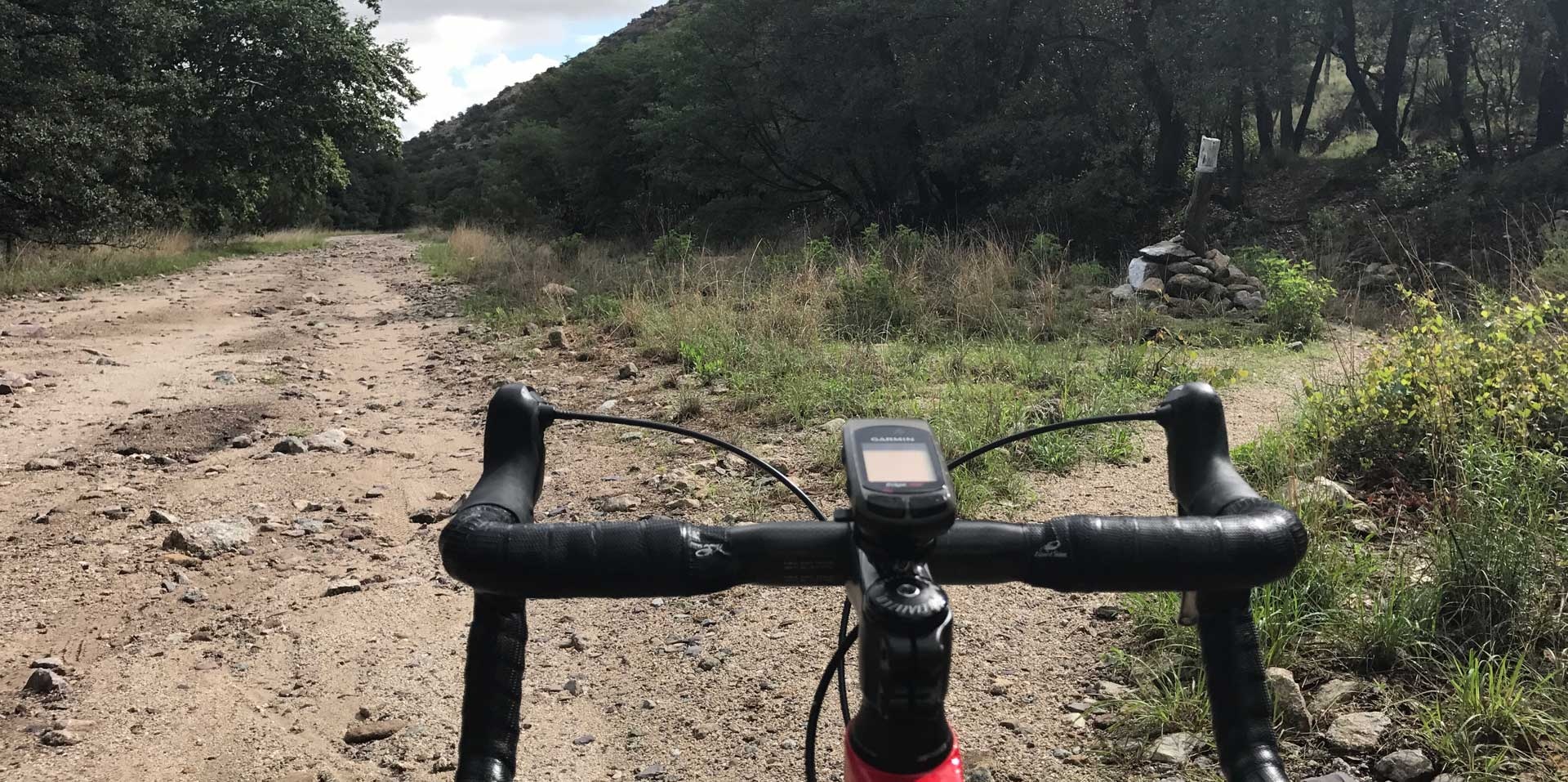
Go right? Not on this bike. Once you've had a taste of exploring off the beaten path, why let your bike limit the path you take?
The Bottom Line
In Southern Arizona, mountain bikes rule but gravel bikes have their place - the right choice depends on the specific routes you’re riding and the experience you want. Gravel bikes dominate on smoother, graded roads and rolling forest service roads, while mountain bikes rule the rocky, chunky hardpack and technical singletrack. But don't take our word for it. Even gravel bikes are blurring the line - the tires are getting bigger, some are available with flatbars and a few offer a little bit of suspension. Our pick? - Go for a rugged hardtail mountain bike with a lightweight build for the best of both worlds.
No matter what you ride, Arizona’s desert hardpack is ready to test your tires, your legs, and your grit. Just don’t forget the sunscreen.
Comments
Be the first to comment...